

Contents
- 1 When Is a Removable Insulation Jacket the Right Solution for Dryer Thermal Doors?
- 2 Engineering Design Considerations for Dryer Thermal Door Insulation Jackets
- 3 Where Dryer Thermal Door Insulation Jackets Deliver the Highest Return
- 4 How Removable Insulation Jackets Improve Inspection and Maintenance
- 5 Selecting the Right Dryer Thermal Door Insulation Jacket
Industrial dryers are widely used in food processing, wood manufacturing, textiles, chemicals, pharmaceuticals, and many other industries where materials need to be dried under controlled temperatures. While most people focus on insulating the dryer chamber, one area that is often overlooked is the dryer door. In reality, the door is one of the largest sources of heat loss because it must open and close regularly during production.
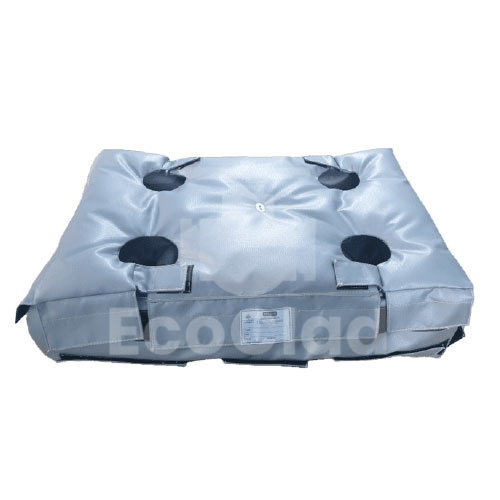
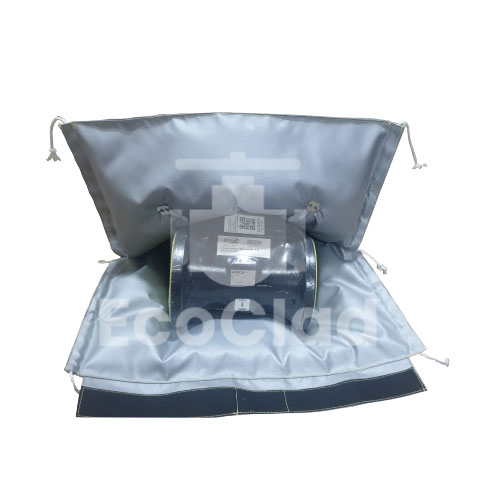
A Dryer Thermal Door Insulation Jacket is designed to reduce heat loss from the dryer door while still allowing operators to open, close, and maintain the equipment without difficulty. Unlike permanent insulation that is difficult to remove or replace, a removable insulation jacket can be taken off whenever repairs or maintenance are needed and installed again within minutes.
From EcoClad’s engineering experience, every dryer door is different. Door dimensions, hinges, locking mechanisms, viewing windows, handles, and surrounding equipment all affect the insulation design. That’s why every insulation jacket is custom manufactured to fit the actual door instead of following a standard size.
Recommended: Get a complete breakdown on What Are Removable Insulation Jackets
When Is a Removable Insulation Jacket the Right Solution for Dryer Thermal Doors?
A Dryer Thermal Door Insulation Jacket is an excellent solution whenever the dryer operates at high temperatures and the door must be opened regularly during production or maintenance.
Why dryer doors should be insulated
Even when the dryer chamber is insulated, the door often remains a major heat-loss area.
Every time the door is exposed to high internal temperatures, heat is transferred through the metal surface and released into the surrounding environment.
Proper insulation helps to:
- Reduce heat loss
- Improve temperature stability inside the dryer
- Lower energy consumption
- Reduce hot surface temperatures
- Improve workplace safety
For dryers operating continuously, these energy savings can become significant over time.
Problems with permanent insulation
Traditional insulation may reduce heat loss, but it often causes maintenance problems.
Typical issues include:
- Difficult access to door hinges and locks
- Insulation damaged during repairs
- Poor appearance after repeated maintenance
- Longer maintenance time
- Higher replacement costs
A removable insulation jacket solves these problems by allowing quick removal whenever maintenance is required.
” Safety and efficiency are the two ultimate Benefits of Removable Insulation Jackets “ — Industry Insight
Typical applications
Dryer door insulation jackets are commonly used on:
- Industrial drying ovens
- Food dryers
- Powder drying systems
- Wood drying kilns
- Textile drying machines
- Chemical dryers
- Pharmaceutical drying equipment
- Paint curing ovens
- Heat treatment chambers
- Batch drying systems
Product Overview
The Dryer Thermal Door Insulation Jacket is designed to minimize heat loss while allowing the dryer door to operate normally.
Typical features include:
- Custom-made removable insulation design
- High-density Rockwool insulation
- Silicone-coated fiberglass outer fabric
- Water-resistant construction
- Suitable for high-temperature industrial drying equipment
- Manufactured according to the actual door dimensions and hardware layout
Each insulation jacket is designed so that handles, hinges, locking systems, inspection windows, and access panels remain fully functional after installation.
Engineering Design Considerations for Dryer Thermal Door Insulation Jackets
Designing insulation for a dryer door is different from insulating a flat metal panel.
Every dryer door is unique
Engineers first evaluate:
- Door size
- Opening direction
- Hinges
- Locking handles
- Inspection windows
- Access ports
- Door frame clearance
These features determine how the insulation jacket should be divided and secured.
Choosing the right insulation thickness
The insulation thickness depends on:
- Dryer operating temperature
- Heat-loss reduction targets
- Surface temperature requirements
- Available clearance around the door
For many industrial drying systems, a 50 mm insulation layer provides an effective balance between thermal performance and door operation.
Door movement must remain unrestricted
According to EcoClad engineers, one of the biggest mistakes is designing insulation that interferes with opening or closing the door.
Before manufacturing, engineers carefully check:
- Swing clearance
- Hinge movement
- Lock engagement
- Seal compression
- Viewing window locations
- Nearby piping or equipment
A properly designed insulation jacket should never affect normal operation.
Built for demanding environments
Dryer doors are exposed to:
- High temperatures
- Continuous heating cycles
- Dust
- Product particles
- Cleaning chemicals
- Mechanical wear from frequent use
To improve durability, the outer layer is typically made from silicone-coated fiberglass fabric, which provides excellent resistance to heat and abrasion.
Designed for repeated removal
Maintenance work may require insulation to be removed several times during the equipment’s life.
Depending on the application, fastening systems may include:
- Stainless steel springs
- Hook fasteners
- Industrial Velcro
- Buckles
- Adjustable straps
These fastening systems allow quick removal while maintaining a secure fit during normal operation.
Where Dryer Thermal Door Insulation Jackets Deliver the Highest Return
Dryer door insulation jackets are valuable wherever industrial drying equipment operates at elevated temperatures.
Typical industries include:
- Food and beverage processing
- Pharmaceutical manufacturing
- Chemical plants
- Textile industry
- Wood processing
- Paper production
- Battery manufacturing
- Electronics production
- Paint curing
- General industrial drying applications
Facilities operating dryers around the clock often see noticeable energy savings after insulating the dryer doors.
How Removable Insulation Jackets Improve Inspection and Maintenance
One of the biggest benefits of removable insulation is that it makes maintenance much easier.
Easy access to the door
When repairs or inspections are needed, technicians simply remove the insulation jacket without damaging it.
This provides immediate access to:
- Hinges
- Door seals
- Handles
- Locking mechanisms
- Inspection windows
After maintenance, the insulation is reinstalled quickly.
Reduced downtime
Since there is no need to replace insulation after every maintenance activity, servicing becomes much faster.
Benefits include:
- Reduced labor costs
- Shorter production interruptions
- Faster equipment restart
Longer insulation service life
Unlike permanent insulation, which often needs replacement after repairs, removable insulation jackets are designed for repeated installation and removal over many years.
Comparing Removable Insulation Jackets with Conventional Insulation
| Feature | Permanent Insulation | Removable Insulation Jacket |
|---|---|---|
| Maintenance | Difficult to remove | Easy to remove and reinstall |
| Heat-loss performance | Good | Excellent with custom-fit design |
| Lifecycle cost | Higher due to replacement | Lower through repeated reuse |
| Worker safety | Reduces hot surfaces | Reduces hot surfaces while maintaining accessibility |
| Reusability | No | Yes |
| Typical service life | Shorter after repeated repairs | Long service life with proper maintenance |
For dryers that require regular cleaning or maintenance, removable insulation generally provides better long-term value.
Selecting the Right Dryer Thermal Door Insulation Jacket
A well-fitting insulation jacket starts with accurate equipment information.
Before requesting a custom design, engineers should prepare:
- Door dimensions
- Dryer operating temperature
- Door opening direction
- Photos of the installation
- Handle and hinge locations
- Viewing window positions
- Available installation clearance
Common specification mistakes
Some of the most common issues include:
- Measuring only the door panel
- Ignoring handles and locking systems
- Covering inspection windows
- Forgetting hinge clearance
- Choosing insulation thickness without checking door movement
Providing complete installation details helps ensure the insulation jacket fits correctly and operates smoothly.