

Contents
- 1 When Are Steam Trap Insulation Covers the Right Solution?
- 2 Engineering Design Considerations for Steam Trap Insulation Covers
- 3 Where Steam Trap Insulation Covers Deliver the Highest Return
- 4 How Steam Trap Insulation Covers Improve Inspection and Maintenance
- 5 Comparing Steam Trap Insulation Covers with Conventional Insulation
- 6 Selecting the Right Steam Trap Insulation Cover
- 7 Conclusion
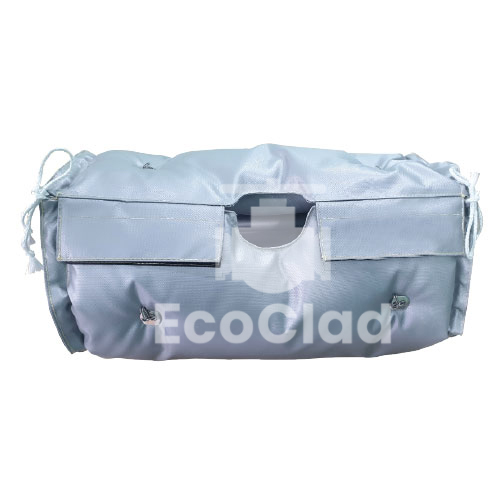
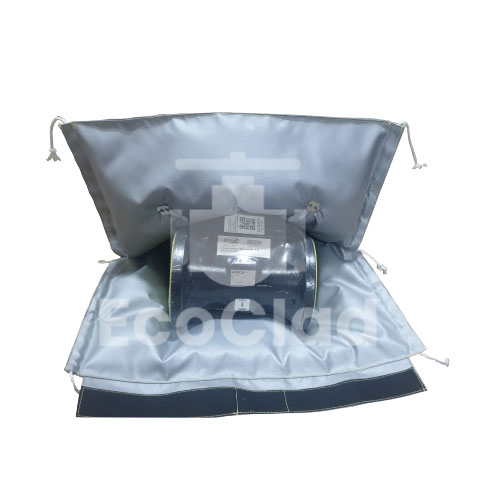
Steam trap insulation covers are removable thermal insulation jackets designed specifically for steam traps operating in industrial steam systems. Unlike conventional insulation that is permanently wrapped around equipment, removable insulation allows maintenance personnel to access the steam trap quickly without damaging the insulation or replacing it after every inspection.
Steam traps play a critical role in removing condensate while preventing the unnecessary loss of live steam. Because they operate continuously in high-temperature environments, uninsulated steam traps can become significant sources of heat loss and increase the surface temperature around equipment. At the same time, steam traps require routine testing, troubleshooting, and replacement throughout their service life. Permanent insulation often makes these maintenance activities slower and more expensive.
For this reason, removable steam trap insulation covers are widely used in boilers, steam distribution systems, heat exchangers, process steam lines, and industrial manufacturing facilities where energy efficiency and equipment accessibility are equally important.
What are removable insulation jackets, and when do you need them
When Are Steam Trap Insulation Covers the Right Solution?
Steam trap insulation covers are most valuable when thermal efficiency must be balanced with regular inspection and maintenance. In many industrial facilities, steam traps are inspected several times each year to verify proper operation, detect failures, and maintain overall steam system efficiency. In these situations, removable insulation offers practical advantages over conventional fixed insulation.
Why steam traps should remain accessible for inspection
Steam traps are wear components rather than static piping. Internal mechanisms gradually deteriorate due to continuous exposure to steam, condensate, corrosion, and pressure fluctuations. As a result, routine inspection is an essential part of preventive maintenance.
If insulation cannot be removed quickly, maintenance personnel often postpone inspections or permanently remove damaged insulation after the first maintenance cycle. Both situations increase long-term operating costs.
A properly designed steam trap insulation cover allows technicians to remove and reinstall insulation within minutes while maintaining consistent thermal protection.
Problems caused by permanent insulation around steam traps
Permanent insulation performs well on straight piping but is often less suitable for equipment requiring frequent maintenance.
Common issues include:
- Insulation must be cut open during inspection.
- Damaged insulation is rarely restored to its original condition.
- Heat loss increases after maintenance.
- Additional labor is required for reinstallation.
- Surface protection gradually deteriorates over time.
These hidden maintenance costs frequently exceed the initial savings of permanent insulation.
Steam systems that benefit most from removable insulation covers
Removable steam trap insulation is particularly suitable for systems where maintenance access is expected throughout the equipment life cycle, including:
- High-pressure steam distribution networks
- Boiler houses
- Steam tracing systems
- Heat exchanger stations
- Industrial process steam applications
- District heating systems
In these installations, steam trap insulation covers help reduce energy losses without restricting future maintenance activities.
Learn more about: Benefits of removable insulation jackets – why it important for your factory
Engineering Design Considerations for Steam Trap Insulation Covers
Although many insulation covers appear similar externally, their thermal performance and service life depend heavily on engineering design. According to EcoClad engineering experience, installation clearance often has a greater influence on cover design than the overall dimensions of the steam trap itself.
Steam trap type and body configuration
Different steam trap designs require different insulation geometries.
Examples include:
- Float and thermostatic traps
- Inverted bucket traps
- Thermodynamic disc traps
- Thermostatic traps
- Balanced pressure traps
Each design has unique body shapes, covers, flanges, strainers, drain plugs, and connection orientations that must be considered during fabrication.
Operating temperature and insulation thickness
Insulation thickness should be selected according to operating temperature, desired surface temperature, and energy-saving objectives.
Rather than specifying a standard thickness for every application, engineers typically evaluate:
- Steam temperature
- Ambient conditions
- Personnel protection requirements
- Heat-loss targets
- Available installation space
This approach produces a more balanced solution than relying solely on standard insulation thickness.
Clearance for maintenance and trap replacement
One of the most overlooked design factors is maintenance clearance.
A steam trap insulation jacket should allow sufficient space for:
- Removing inspection covers
- Disconnecting unions or flanges
- Replacing internal components
- Accessing drain valves
- Performing ultrasonic testing
If these clearances are ignored during design, technicians may still be forced to remove surrounding insulation unnecessarily.
Moisture protection in steam environments
Steam systems naturally experience moisture exposure from condensate, washdown procedures, and outdoor weather conditions.
Effective steam trap insulation covers therefore require:
- Water-resistant outer fabrics
- Proper stitching methods
- Sealed seams where appropriate
- Durable fastening systems
- Materials capable of maintaining insulation performance after repeated service
Reducing moisture penetration helps preserve insulation effectiveness and extends service life.
Selecting fastening systems for repeated removal
Fasteners are one of the most heavily used components of removable insulation.
Depending on installation requirements, fastening systems may include:
- Stainless steel hooks
- Springs
- Lacing wire
- Buckle straps
- High-temperature hook-and-loop systems
The selection depends on operating temperature, installation frequency, and available working space.
Where Steam Trap Insulation Covers Deliver the Highest Return
The greatest return on investment is usually achieved in facilities operating continuously with high steam consumption and regular maintenance schedules.
Boiler steam systems
Boiler rooms often contain dozens or even hundreds of steam traps operating around the clock.
Insulating these components reduces unnecessary radiant heat loss while improving personnel safety around high-temperature equipment.
Heat exchangers
Steam traps installed downstream of heat exchangers experience frequent maintenance due to condensate removal requirements.
Using insulated steam trap covers allows insulation to remain reusable after each inspection cycle.
Steam tracing systems
Steam tracing networks typically include numerous small steam traps distributed throughout production areas.
Because maintenance is performed regularly, removable insulation minimizes labor associated with repeated insulation replacement.
Food and beverage processing
Food manufacturing facilities require reliable steam systems while maintaining strict hygiene standards.
Reusable insulation simplifies maintenance planning and helps reduce thermal losses without generating excessive insulation waste.
Chemical and pharmaceutical plants
In chemical and pharmaceutical production, process reliability is essential.
Steam trap insulation covers contribute to:
- Stable process temperatures
- Improved operator safety
- Lower energy consumption
- Easier preventive maintenance
How Steam Trap Insulation Covers Improve Inspection and Maintenance
The primary advantage of removable insulation is not only energy conservation but also improved maintenance efficiency throughout the equipment life cycle.
Can steam traps be inspected without removing insulation?
In many cases, certain diagnostic procedures can be performed with the insulation cover installed, depending on the testing method and steam trap configuration.
However, whenever complete access is required, the cover can be removed and reinstalled quickly without damaging the insulation.
Reducing maintenance time with removable insulation
Compared with conventional insulation, removable jackets significantly reduce the labor required during maintenance.
Instead of cutting insulation and rebuilding it afterward, technicians simply:
- Release the fastening system.
- Remove the insulation cover.
- Complete maintenance.
- Reinstall the same cover.
This process reduces maintenance time while preserving insulation performance.
Supporting routine steam trap testing and replacement
Routine testing is essential for identifying failed steam traps before excessive steam losses occur.
Removable steam trap insulation supports:
- Scheduled inspections
- Ultrasonic testing
- Temperature measurements
- Steam trap replacement
- Preventive maintenance programs
Because insulation remains reusable, maintenance teams are more likely to reinstall it correctly after servicing.
Preventing insulation damage during servicing
Permanent insulation frequently suffers mechanical damage during maintenance activities.
Reusable insulation covers eliminate many of these issues by allowing the entire cover to be removed intact, reducing waste and avoiding repeated replacement costs.
Comparing Steam Trap Insulation Covers with Conventional Insulation
| Feature | Permanent Insulation | Removable Steam Trap Insulation Covers |
|---|---|---|
| Maintenance accessibility | Requires cutting insulation | Quick removal and reinstallation |
| Heat-loss performance | Good when new | Consistent throughout repeated maintenance |
| Lifecycle cost | Lower initial cost but higher maintenance expense | Higher initial investment with lower long-term maintenance cost |
| Reusability | Generally not reusable | Designed for repeated use |
| Worker safety | May deteriorate after servicing | Maintains consistent surface temperature protection |
| Typical service life | Depends on maintenance quality | Extended through repeated reuse |
For equipment requiring frequent inspection, lifecycle cost is often more important than installation cost alone. In these situations, removable steam trap insulation covers generally provide better long-term value.
Selecting the Right Steam Trap Insulation Cover
Selecting the correct insulation solution requires more than measuring equipment dimensions.
Steam trap model and connection type
Engineers should identify:
- Steam trap manufacturer
- Model number
- Connection type
- Flanged or threaded installation
- Orientation within the steam line
These details influence cover geometry and fastening arrangement.
Operating pressure and temperature
Operating conditions determine:
- Insulation material selection
- Outer fabric requirements
- Fastening materials
- Expected thermal performance
Designing without accurate operating data may result in insufficient insulation performance or unnecessary material costs.
Required inspection frequency
Equipment inspected several times each year benefits most from removable insulation.
Maintenance frequency should therefore be considered during the initial design stage rather than after installation.
Choosing insulation materials
Common insulation materials include:
- Rockwool
- Fiberglass
- Ceramic fiber for higher-temperature applications
Material selection depends on operating temperature, thermal performance targets, and environmental conditions rather than a single standard specification.
Information engineers should prepare before requesting a custom design
Providing complete technical information improves design accuracy.
Useful information includes:
- Steam trap photographs
- Equipment dimensions
- Operating temperature
- Operating pressure
- Installation orientation
- Available maintenance clearance
- Outdoor or indoor installation
Common specification mistakes
Some of the most common design errors include:
- Selecting insulation based only on body size
- Ignoring nearby piping and valve clearance
- Underestimating maintenance access requirements
- Choosing unsuitable fastening systems
- Omitting environmental exposure considerations
Avoiding these mistakes helps achieve better thermal performance and simplifies maintenance throughout the service life of the insulation cover.
Conclusion
Steam trap insulation covers provide an effective solution for reducing heat loss while maintaining easy access for routine inspection and maintenance. Unlike permanent insulation, removable insulation supports repeated servicing without damaging the insulation itself, making it particularly suitable for steam systems where maintenance is a regular operational requirement.
From an engineering perspective, an effective insulation cover should be designed according to the steam trap type, operating conditions, maintenance frequency, and available installation space rather than relying on a standard one-size-fits-all configuration.
Every EcoClad Steam Trap Insulation Cover is engineered according to the steam trap type, operating temperature, maintenance requirements, and installation space to ensure reliable thermal performance while maintaining easy access for routine inspection and servicing.