







Thermal Insulation: What Is It, How Does It Work, and Where Is It Used?
If you are researching thermal insulation for industrial equipment, buildings, factories, HVAC systems, piping, or process equipment, understanding the role of insulation is an important first step.
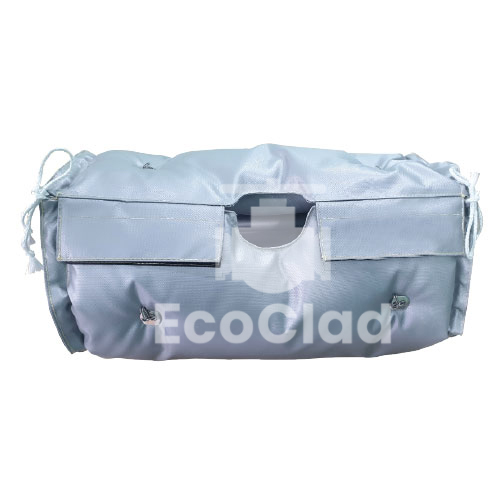
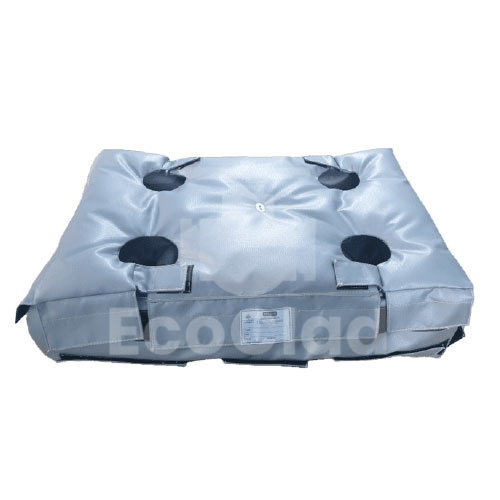
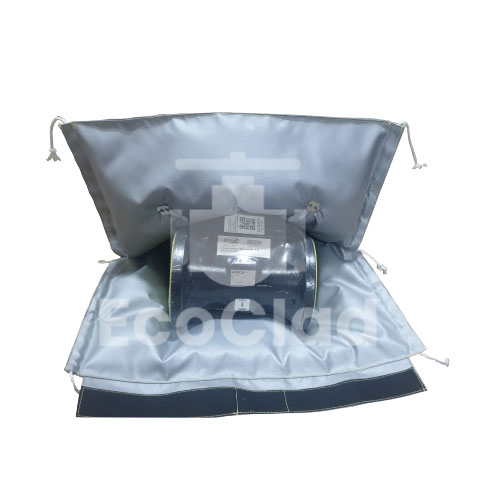
In this guide, EcoClad explains what thermal insulation is, how insulation materials work, their key properties, and where they are commonly used in industrial applications. We will also look specifically at removable insulation jackets for industrial valves and equipment—a practical solution for reducing heat loss while keeping equipment accessible for inspection and maintenance.
What Is Thermal Insulation?
Thermal insulation is a material or system designed to reduce heat transfer between an object and its surrounding environment.
Depending on the application, insulation can be used to retain heat in hot systems or prevent unwanted heat gain in cold systems. In industrial facilities, insulation is commonly installed on pipes, valves, tanks, boilers, heat exchangers, HVAC equipment, and other process equipment.
A properly designed insulation system can help:
- Reduce heat loss from hot equipment and piping
- Reduce unwanted heat gain in chilled or cold systems
- Improve temperature control throughout a process
- Lower energy consumption
- Protect personnel from hot surfaces
- Reduce the surface temperature of equipment
- Improve overall thermal efficiency
- Help maintain more stable operating conditions
For industrial facilities, insulation is therefore not simply a construction material. It is part of the system used to manage energy, temperature, equipment performance, and workplace safety.
Why Is Thermal Insulation Important?
Whenever there is a temperature difference between equipment and its surroundings, heat naturally moves from the hotter area toward the colder area.
Without adequate insulation, a significant amount of energy can be lost through:
- Conduction
- Convection
- Thermal radiation
For example, a hot valve or pipe exposed to ambient air continuously releases heat into the surrounding environment. Over time, this can increase energy consumption and raise the temperature of the working area.
Insulation adds thermal resistance between the equipment and the environment, reducing the rate of heat transfer.
For industrial applications, the actual performance of an insulation system depends on factors such as operating temperature, insulation thickness, material properties, ambient conditions, surface area, installation quality, and the geometry of the equipment.
Key Properties of Thermal Insulation Materials
Different insulation materials are designed for different operating conditions. Common materials include mineral wool, fiberglass, elastomeric insulation, polyurethane and polyisocyanurate foams, aerogel-based materials, reflective foils, and other engineered insulation products.
The appropriate material depends on the application, operating temperature, environmental conditions, mechanical requirements, and required thermal performance.
Low Thermal Conductivity
One of the most important properties of an insulation material is thermal conductivity.
Thermal conductivity indicates how easily heat passes through a material. A material with lower thermal conductivity generally provides greater resistance to heat transfer for a given thickness.
This property makes insulation useful for:
- Hot process piping
- Steam systems
- Boilers and heat exchangers
- HVAC systems
- Chilled-water systems
- Industrial tanks and vessels
- Valves and other process equipment
The actual thermal performance of an installed system should be evaluated based on the complete insulation assembly rather than the material’s conductivity alone.
Temperature Resistance
Industrial insulation must be selected according to the operating temperature of the equipment.
Different materials have different temperature limits. Some are designed for chilled applications, while others are suitable for elevated-temperature environments such as steam, hot oil, boilers, and process equipment.
For this reason, selecting insulation should always take into account:
- Normal operating temperature
- Maximum operating temperature
- Temperature fluctuations
- Ambient temperature
- Required insulation thickness
- Exposure to moisture or chemicals
For removable insulation jackets, EcoClad systems can be engineered according to the specific equipment and operating conditions rather than relying on a one-size-fits-all design.
Thermal Radiation
Heat can also be transferred through thermal radiation.
Radiative heat transfer becomes particularly relevant when equipment operates at elevated temperatures. Insulation systems and reflective outer surfaces can help reduce radiative heat transfer and limit the amount of heat released into the surrounding environment.
This is especially useful in industrial areas where multiple hot surfaces can contribute to elevated ambient temperatures.
Fire and Heat Resistance
In industrial environments, insulation materials may be exposed to high temperatures and potentially harsh operating conditions.
The appropriate insulation material should therefore be selected based on the required temperature resistance, fire performance, and applicable safety standards.
It is important to distinguish thermal insulation from fireproofing. Not every insulation material is designed to provide fire protection, and fire performance should always be verified against the relevant product specifications and standards.
Moisture Resistance
Moisture can significantly affect the performance and service life of insulation systems.
Water ingress may reduce thermal performance, increase the risk of corrosion under insulation (CUI), and contribute to material degradation.
For this reason, industrial insulation systems may incorporate protective outer layers designed to resist moisture, water, chemicals, and mechanical wear.
EcoClad removable insulation jackets, for example, can use a silicone-coated fiberglass outer cover to provide a durable and water-resistant protective layer around the insulation assembly.
Acoustic Performance
Some insulation materials can also contribute to noise reduction by reducing the transmission of sound and vibration.
However, thermal insulation and acoustic insulation are not the same thing. The level of noise reduction depends on the material, construction, frequency range, installation method, and surrounding structure.
Where acoustic control is an important requirement, the insulation system should therefore be designed specifically for the expected noise source.
Electrical Insulation
Certain insulation materials also have electrical insulating properties. However, thermal insulation should not automatically be considered electrical protection.
For electrical equipment, the insulation material and system must be selected according to the specific electrical safety requirements of the application.
Common Applications of Thermal Insulation
Thermal insulation is widely used across industrial, commercial, and building applications.
Typical applications include:
- Industrial piping
- Steam and condensate systems
- Hot-oil systems
- Chilled-water piping
- HVAC systems
- Boilers
- Heat exchangers
- Storage tanks
- Process vessels
- Industrial valves
- Pumps and other process equipment
- Cold rooms and refrigeration systems
- Cleanrooms
- Manufacturing facilities
One of the most important considerations is that not every piece of equipment is equally easy to insulate.
Large pipes and tanks can often use conventional insulation systems. Valves, flanges, strainers, steam traps, and other irregularly shaped components require a different approach.
This is where removable insulation jackets can provide a practical advantage.
Thermal Insulation for Industrial Piping
Pipe insulation is commonly used in hot and cold process systems to control heat transfer.
Depending on the application, insulation may be installed on:
- Steam pipelines
- Hot-water systems
- Thermal-oil pipelines
- Chilled-water systems
- Refrigeration lines
- HVAC systems
- Process pipelines
- Exhaust and heat-recovery systems
Proper pipe insulation helps maintain the desired process temperature while reducing unnecessary energy loss or heat gain.
For cold systems, insulation also plays an important role in limiting condensation by keeping the external surface temperature above the surrounding dew point when the system is correctly designed.
Thermal Insulation for Industrial Valves
Industrial valves are often overlooked when an insulation system is designed.
A valve may have a relatively small surface area compared with a long pipe, but hot valves can still become significant sources of heat loss—particularly when a facility contains hundreds or thousands of valves and other fittings.
This is where removable valve insulation jackets can be particularly useful.
Why Use EcoClad Removable Insulation Jackets?
Using a removable insulation jacket is not simply an insulation upgrade. It can also be a practical maintenance and energy-management solution.
Reduce Heat Loss
By insulating exposed hot equipment, EcoClad jackets help reduce heat transfer to the surrounding environment.
The potential energy savings depend on factors such as equipment temperature, ambient conditions, insulation thickness, surface area, and operating hours.
Improve Workplace Safety
Uninsulated valves and process equipment can have extremely hot surfaces.
A properly designed insulation jacket can reduce external surface temperatures and help minimize the risk of accidental contact with hot equipment.
Easy to Remove for Maintenance
One of the biggest advantages of a removable jacket is accessibility.
When maintenance is required, the jacket can be removed without permanently dismantling the insulation system. After the work is completed, the jacket can be reinstalled.
This can help reduce the time and labor associated with repeated maintenance.
Custom-Fitted to the Equipment
Industrial valves and fittings come in many different sizes and configurations.
EcoClad jackets can be designed according to the actual dimensions and geometry of the equipment, providing a better fit than generic insulation covers.
Durable Outer Cover
EcoClad insulation jackets can use silicone-coated fiberglass fabric as the outer layer.
This provides a durable protective surface with resistance to heat and moisture, making the jacket suitable for demanding industrial environments.
The insulation assembly can also be configured according to the equipment’s operating temperature and application requirements.
Manufactured for Industrial Applications
EcoClad insulation jackets are manufactured in Vietnam using imported insulation and cover materials selected according to the required application.
Custom fabrication allows each jacket to be produced according to the dimensions, operating conditions, and maintenance requirements of the equipment.
Industries Using Removable Insulation Jackets
Removable insulation jackets can be used across a wide range of industries, including:
- Food and beverage
- Dairy processing
- Chemical processing
- Pharmaceutical manufacturing
- Power generation
- Oil and gas
- Water treatment
- Manufacturing
- HVAC and building services
- Industrial utilities
They are particularly useful in facilities where equipment operates continuously and requires periodic inspection or maintenance.
Thermal Insulation Is More Than Just Energy Saving
A well-designed insulation system can provide several benefits beyond reducing heat loss.
For industrial facilities, the right insulation solution can contribute to:
- Better energy efficiency
- Improved process temperature control
- Lower surface temperatures
- Improved operator safety
- Reduced heat exposure in the workplace
- Easier equipment maintenance
- Better protection against environmental conditions
- More consistent equipment operation
For equipment that requires frequent access, removable insulation jackets offer a practical alternative to permanent insulation systems.
EcoClad Removable Insulation Jackets
EcoClad specializes in custom removable insulation jackets for industrial valves, pipes, flanges, pumps, heat exchangers, and other process equipment.
Each jacket can be designed based on the equipment dimensions, operating temperature, installation conditions, and maintenance requirements.
If you are looking for a thermal insulation solution for industrial equipment, contact EcoClad to discuss your application and determine the appropriate insulation construction for your system.
EcoClad – Removable Thermal Insulation Jackets for Industrial Equipment
Email: contact@eco-zenergy.com