

Contents
- 1 When Is a Removable Insulation Jacket the Right Solution for Brew Kettles?
- 2 Engineering Design Considerations for Brew Kettle Insulation Jackets
- 3 Where Brew Kettle Insulation Jackets Deliver the Highest Return
- 3.1 Craft breweries
- 3.2 Commercial breweries
- 3.3 Beverage manufacturing plants
- 3.4 Distilleries
- 3.5 Food processing plants
- 3.6 Dairy processing facilities
- 3.7 Pharmaceutical processing
- 3.8 Chemical process vessels
- 3.9 Pilot brewing systems
- 3.10 Research and development laboratories
- 3.11 How Removable Insulation Jackets Improve Inspection and Maintenance
- 3.12 Can the brew kettle be inspected without damaging the insulation?
- 3.13 Reducing maintenance time
- 3.14 Supporting routine inspection and replacement
- 3.15 Preventing insulation damage during servicing
- 4 Comparing Removable Insulation Jackets with Conventional Insulation
- 5 Equipment model and vessel configuration
- 6 Operating temperature
- 7 Required maintenance frequency
- 8 Choosing insulation materials
- 9 Information engineers should prepare before requesting a custom design
- 10 Common specification mistakes
A Brew Kettle is one of the most important pieces of equipment in a brewery. It’s where the wort is boiled, hops are added, and the brewing process moves into one of its most energy-intensive stages. Whether you’re producing craft beer or operating a large commercial brewery, keeping the brew kettle at a stable temperature has a direct impact on energy consumption, production efficiency, and product consistency.
Without insulation, a brew kettle continuously releases heat into the brewery. That means the heating system has to work harder to maintain the boiling temperature, while the surrounding workspace becomes hotter than necessary. A Brew Kettle Insulation Jacket helps reduce this heat loss without affecting daily operation or routine cleaning.
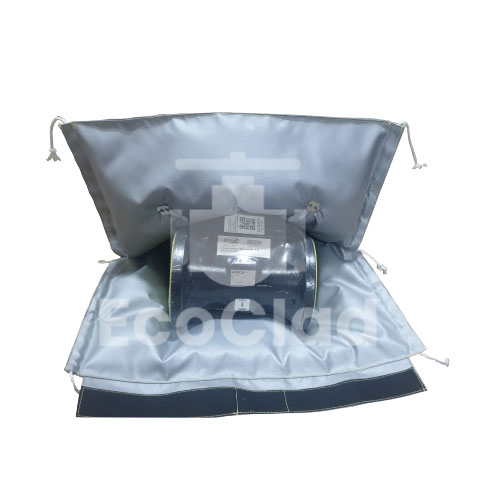
Unlike fixed insulation, a removable insulation jacket can be taken off whenever maintenance, inspection, or equipment upgrades are needed, then installed again in just a few minutes. There’s no cutting, no replacement insulation, and no unnecessary downtime.
At EcoClad, every insulation jacket is built around the actual brew kettle instead of using standard sizes. Our engineers look beyond the vessel diameter and consider outlet connections, manways, sight glasses, steam jackets, support legs, insulation clearance, and maintenance access to ensure every jacket fits the equipment perfectly.
Safety First: “Protect your team from workplace burns through the Benefits of Removable Insulation Jackets.”
When Is a Removable Insulation Jacket the Right Solution for Brew Kettles?
A Brew Kettle Insulation Jacket is a smart choice for breweries that want to reduce energy loss while keeping the equipment easy to maintain.
Why brew kettles should remain accessible for inspection
Brewing equipment needs regular inspection and servicing.
Technicians often need access to:
- Manways
- Steam jackets
- Heating systems
- Temperature sensors
- Agitators
- Pipe connections
- Level indicators
- Cleaning ports
A removable insulation jacket keeps all of these components accessible without damaging the insulation.
Problems caused by permanent insulation
Traditional insulation often creates extra work during maintenance.
Common issues include:
- Insulation must be removed by cutting
- Difficult access to vessel fittings
- Expensive insulation replacement
- Longer maintenance shutdowns
- Damaged insulation after servicing
Systems that benefit most from removable insulation jackets
These insulation jackets are widely used on:
- Brew kettles
- Wort kettles
- Mash tuns
- Lauter tuns
- Hot liquor tanks
- Brewing vessels
- Beverage processing tanks
- Stainless steel process vessels
Engineering Design Considerations for Brew Kettle Insulation Jackets
Every brewery has a different equipment layout, so every insulation jacket should be designed around the actual vessel.
Brew kettle configuration
The insulation jacket should match the exact configuration of the equipment, including:
- Vessel diameter
- Vessel height
- Steam jacket arrangement
- Outlet piping
- Manways
- Valves
- Thermometers
- Sight glasses
- Support legs
- CIP connections
These details determine how the insulation jacket is divided into removable sections.
Resource: “New to flexible insulation? Check out What Are Removable Insulation Jackets – Benefits, Applications & Why Ecoclad stands out.”
Operating temperature and insulation thickness
The insulation system should be selected according to the brewing process and operating conditions.
Typical EcoClad specifications include:
- Product name: Brew Kettle Insulation Jacket
- Application: Thermal insulation for brew kettles, mash tuns, and wort kettles in breweries and beverage processing plants
- Insulation material: Rockwool, density 80 kg/m³
- Insulation thickness: 50 mm
- Outer layer: Silicone-coated fiberglass fabric
- Water resistance: Yes
- Maximum operating temperature: Up to 260°C
- Higher temperature designs: Available upon specific technical requirements
- Design: Removable insulation jacket
- Manufacturing: Custom-made according to the actual brew kettle dimensions and configuration
Clearance for maintenance and cleaning
From our engineering experience, maintenance access is often the biggest factor in designing insulation for brewing equipment.
Breweries frequently perform cleaning, inspections, and equipment upgrades. The insulation jacket should allow technicians to remove individual sections without taking apart the entire insulation system.
Moisture and environmental protection
Brewing environments are regularly exposed to:
- Hot water
- Steam
- Cleaning chemicals
- Humidity
- Washdown procedures
- Condensation
The silicone-coated fiberglass outer layer helps protect the insulation material while remaining durable in demanding production environments.
Selecting fastening systems for repeated removal
Since brewery equipment is cleaned and serviced regularly, fastening systems need to withstand repeated opening and closing.
Depending on the application, EcoClad may use:
- Stainless steel springs
- Buckles
- High-temperature straps
- Lacing wire
- Industrial hook-and-loop fasteners
The fastening method is selected according to the vessel design and maintenance schedule.
Where Brew Kettle Insulation Jackets Deliver the Highest Return
The biggest benefits come from facilities where brewing equipment operates for long production hours.
Typical applications include:
Craft breweries
Reduce energy consumption while maintaining stable brewing temperatures.
Commercial breweries
Improve production efficiency across multiple brewing vessels.
Beverage manufacturing plants
Reduce heat loss from heated process tanks.
Distilleries
Insulate heated vessels used during alcohol production.
Food processing plants
Maintain process temperatures while reducing energy costs.
Dairy processing facilities
Improve thermal efficiency on heated stainless steel tanks.
Pharmaceutical processing
Support temperature-controlled production equipment.
Chemical process vessels
Reduce energy loss from heated tanks requiring regular maintenance.
Pilot brewing systems
Provide flexible insulation that can be removed for equipment modifications.
Research and development laboratories
Support testing equipment with reusable insulation solutions.
How Removable Insulation Jackets Improve Inspection and Maintenance
One reason breweries choose removable insulation is because it makes maintenance much simpler.
Can the brew kettle be inspected without damaging the insulation?
Yes.
Individual insulation sections can be removed whenever technicians need access to the vessel, then reinstalled after the work is complete.
Reducing maintenance time
Maintenance teams spend less time removing insulation and more time completing the actual work.
Supporting routine inspection and replacement
Whether replacing sensors, inspecting steam jackets, servicing valves, or cleaning the vessel, the insulation jacket can be reused many times.
Preventing insulation damage during servicing
Unlike permanent insulation, removable jackets are designed specifically for repeated maintenance, helping preserve insulation performance over the long term.
Comparing Removable Insulation Jackets with Conventional Insulation
| Feature | Permanent Insulation | Removable Insulation Jacket |
|---|---|---|
| Maintenance | Difficult to remove without damage | Easy to remove and reinstall |
| Heat Loss | Good initially but often reduced after repairs | Consistent thermal performance |
| Lifecycle Cost | Higher replacement costs | Lower long-term operating cost |
| Worker Safety | Hot surfaces may become exposed after maintenance | Continuous protection from hot surfaces |
| Reusability | No | Yes |
| Typical Service Life | Depends on maintenance damage | Long service life with repeated reuse |
Selecting the Right Brew Kettle Insulation Jacket
Choosing the right insulation starts with understanding how the brew kettle is built and maintained.
Equipment model and vessel configuration
Useful information includes:
- Brew kettle diameter
- Vessel height
- Manufacturer
- Steam heating method
- Number of nozzles
- Manway location
- Support structure
Operating temperature
Operating temperature determines the insulation material and construction required for reliable long-term performance.
Required maintenance frequency
Equipment that undergoes frequent cleaning or servicing benefits from fastening systems designed for repeated removal.
Choosing insulation materials
Material selection depends on:
- Operating temperature
- Cleaning procedures
- Moisture exposure
- Mechanical durability
- Energy-saving targets
Information engineers should prepare before requesting a custom design
For the best fit, it’s helpful to provide:
- Equipment drawings
- Vessel dimensions
- Operating temperature
- Photos of the installation
- Nozzle layout
- Clearance around the kettle
- Required insulation thickness
Common specification mistakes
Some of the most common design errors include:
- Measuring only the vessel diameter
- Ignoring nozzles and pipe connections
- Forgetting support brackets
- Overlooking manway access
- Choosing insulation thickness without considering surrounding equipment
A custom insulation jacket performs much better when these details are included from the beginning.