

Contents
- 1 When Is a Removable Insulation Jacket the Right Solution for Plastic Extruder Screw and Barrel Systems?
- 2 Engineering Design Considerations for Plastic Extruder Screw and Barrel Insulation Jackets
- 3 Where Plastic Extruder Screw and Barrel Insulation Jackets Deliver the Highest Return
- 4 How Removable Insulation Jackets Improve Inspection and Maintenance
- 5 Comparing Removable Insulation Jackets with Conventional Insulation
- 6 Selecting the Right Plastic Extruder Screw and Barrel Insulation Jacket
When Is a Removable Insulation Jacket the Right Solution for Plastic Extruder Screw and Barrel Systems?
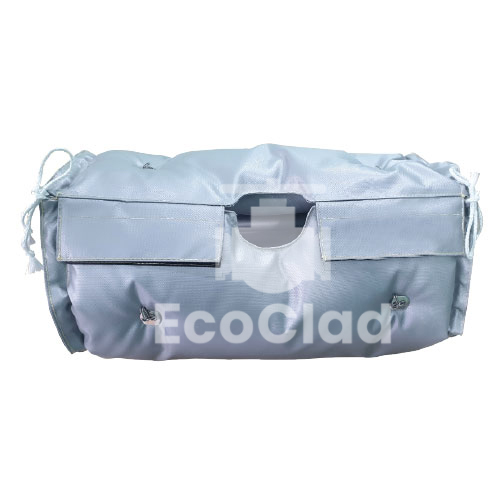
A Plastic Extruder Screw / Barrel Insulation Jacket is the right solution when you want to reduce energy consumption without making heater maintenance or barrel inspections more difficult.
Why the extruder barrel should remain accessible for inspection
Plastic extrusion equipment requires regular maintenance to keep production running efficiently.
Technicians frequently need access to:
- Heater bands
- Thermocouples
- Barrel sections
- Nozzle connections
- Adapter flanges
- Cooling components
- Electrical wiring
- Screw maintenance areas
A removable insulation jacket keeps these components easy to reach while maintaining excellent thermal insulation.
Problems caused by permanent insulation
Permanent insulation often creates unnecessary maintenance work.
Common issues include:
- Insulation must be cut away during repairs
- Heater replacement takes longer
- Damaged insulation is difficult to reuse
- Increased maintenance costs
- More production downtime
Systems that benefit most from removable insulation jackets
These insulation jackets are commonly used on:
- Single-screw extruders
- Twin-screw extruders
- Plastic pelletizing lines
- Pipe extrusion machines
- Sheet extrusion lines
- Film extrusion equipment
- Profile extrusion machines
- Plastic recycling extrusion systems
Learn More: “Explore the full industry guide: What Are Removable Insulation Jackets – Benefits, Applications & Why Ecoclad stands out.”
Engineering Design Considerations for Plastic Extruder Screw and Barrel Insulation Jackets
Every extrusion line is different, so insulation jackets should always be designed around the actual machine rather than standard barrel sizes.
Extruder configuration
The insulation jacket should match the complete barrel configuration, including:
- Barrel diameter
- Barrel length
- Heating zones
- Heater bands
- Thermocouple locations
- Barrel flanges
- Feed section
- Adapter and die connections
Most extrusion systems are divided into several removable insulation sections so individual heating zones remain easy to service.
Operating temperature and insulation thickness
The insulation system should match the operating temperature of the extrusion process.
Typical EcoClad specifications include:
- Product name: Plastic Extruder Screw / Barrel Insulation Jacket
- Application: Thermal insulation for plastic extruder barrels, screw housings, heating zones, and extrusion equipment used in plastic processing
- Insulation material: Rockwool, density 80 kg/m³
- Insulation thickness: 50 mm
- Outer layer: Silicone-coated fiberglass fabric
- Water resistance: Yes
- Maximum operating temperature: Up to 260°C
- Higher temperature designs: Available upon specific technical requirements
- Design: Removable insulation jacket
- Manufacturing: Custom-made according to the actual barrel dimensions, heating zone layout, and machine configuration
Expert Note: “Don’t overlook the long-term financial Benefits of Removable Insulation Jackets.”
Clearance for maintenance and heater replacement
From our engineering experience, the available maintenance space often has a greater impact on the insulation design than the barrel diameter itself.
The jacket should allow technicians to replace heater bands, inspect sensors, and access wiring without removing insulation from the entire machine.
Moisture and environmental protection
Extrusion equipment typically operates in environments exposed to:
- Plastic dust
- Oil mist
- Humidity
- Cooling water
- High ambient temperatures
The silicone-coated fiberglass outer fabric helps protect the insulation material and provides long-term durability in industrial production environments.
Selecting fastening systems for repeated removal
Since heater bands and sensors require periodic maintenance, fastening systems should remain reliable after many removal cycles.
Depending on the application, EcoClad may use:
- Stainless steel springs
- Buckles
- High-temperature straps
- Lacing wire
- Industrial hook-and-loop fasteners
The fastening system is selected according to the barrel layout and maintenance requirements.
Where Plastic Extruder Screw and Barrel Insulation Jackets Deliver the Highest Return
The greatest benefits are achieved on production lines that operate continuously and consume large amounts of electrical heating energy.
Plastic extrusion plants
Reduce energy consumption while maintaining stable barrel temperatures.
Pipe manufacturing
Improve thermal efficiency on plastic pipe extrusion lines.
Film production
Support consistent heating during continuous film extrusion.
Plastic sheet manufacturing
Reduce heat loss from multi-zone barrel heating systems.
Profile extrusion
Maintain stable processing temperatures for PVC, PE, PP, and other engineering plastics.
Plastic recycling facilities
Improve energy efficiency during recycled material processing.
Cable and wire manufacturing
Support precise temperature control for insulation extrusion.
Masterbatch production
Reduce electrical heating demand during continuous operation.
Rubber extrusion
Improve thermal efficiency on heated rubber processing equipment.
Polymer processing plants
Reduce operating costs while improving overall production efficiency.
How Removable Insulation Jackets Improve Inspection and Maintenance
One of the biggest advantages of removable insulation is that maintenance becomes much simpler without sacrificing thermal performance.
Can the extruder barrel be inspected without damaging the insulation?
Yes.
Each insulation section can be removed individually whenever technicians need access to heater bands, thermocouples, or barrel components.
Reducing maintenance time
Quick removal shortens machine downtime during preventive maintenance and repairs.
Supporting routine inspection and replacement
Heaters, sensors, wiring, and barrel sections remain accessible throughout the machine’s operating life.
Preventing insulation damage during servicing
Unlike permanent insulation, removable jackets are designed for repeated removal, helping maintain consistent insulation performance over many maintenance cycles.
Comparing Removable Insulation Jackets with Conventional Insulation
| Feature | Permanent Insulation | Removable Insulation Jacket |
|---|---|---|
| Maintenance | Must be removed and replaced after repairs | Easy to remove and reinstall |
| Heat Loss | Performance often decreases after maintenance | Consistent thermal insulation performance |
| Lifecycle Cost | Higher replacement costs | Lower long-term operating cost |
| Worker Safety | Hot surfaces may become exposed | Continuous thermal protection |
| Reusability | No | Yes |
| Typical Service Life | Depends on maintenance damage | Long service life with repeated reuse |
Selecting the Right Plastic Extruder Screw and Barrel Insulation Jacket
Selecting the right insulation jacket starts with understanding the actual extrusion equipment.
Equipment model and barrel configuration
Useful information includes:
- Extruder manufacturer
- Machine model
- Barrel diameter
- Barrel length
- Number of heating zones
- Die connection
- Heater band arrangement
- Thermocouple locations
Operating temperature
Operating temperature determines the insulation material, insulation thickness, and jacket construction.
Required maintenance frequency
Extrusion lines with frequent heater replacement usually require fastening systems designed for repeated removal.
Choosing insulation materials
Material selection depends on:
- Operating temperature
- Production environment
- Mechanical durability
- Cleaning requirements
- Energy-saving objectives
Information engineers should prepare before requesting a custom design
For the most accurate insulation jacket, prepare:
- Machine drawings if available
- Barrel dimensions
- Heating zone layout
- Operating temperature
- Equipment photos
- Sensor locations
- Installation clearance
- Required insulation thickness
Common specification mistakes
Some common mistakes include:
- Measuring only the barrel diameter
- Ignoring heater band thickness
- Forgetting wiring and thermocouples
- Not allowing enough maintenance clearance
- Using one insulation section for multiple heating zones
A custom-designed insulation jacket provides better performance because it fits the machine exactly as it operates in production.